Why Airflow Testing After Dryer Vent Cleaning Matters
A professional dryer vent cleaning that does not include airflow verification is like a mechanic changing your oil without checking the engine. You trust the work was done, but you have no objective confirmation that the result is what it should be. Airflow testing before and after cleaning is the most direct way to verify the service was effective.
What Airflow Testing Measures
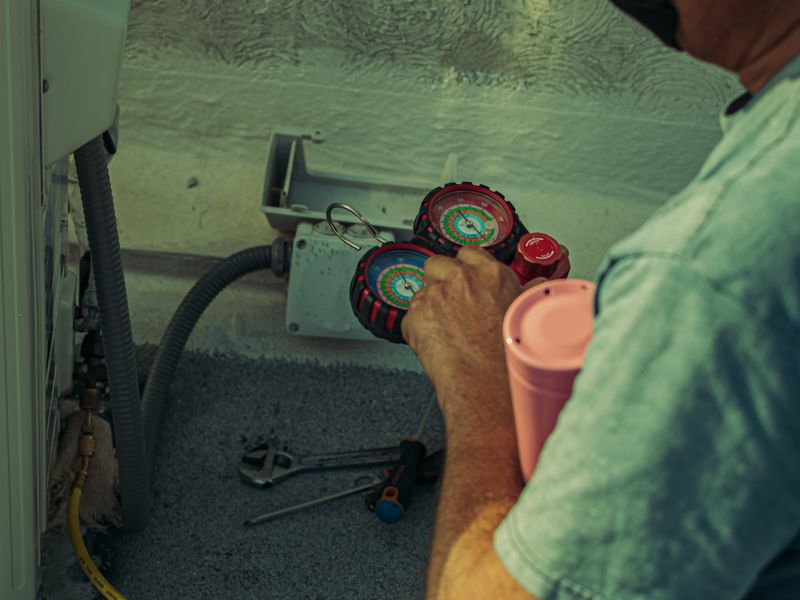
Airflow in a dryer vent system is measured in cubic feet per minute (CFM) — the volume of air moving through the duct per unit of time. Higher CFM indicates better, less restricted airflow. Testing equipment is placed at the dryer exhaust outlet or at the exterior vent opening, and the reading is taken while the dryer is running. Some technicians use a digital anemometer; others use a dedicated duct flow meter. Either approach produces a comparable and meaningful number.
Before Cleaning: The Baseline Reading
Taking an airflow reading before cleaning establishes a documented baseline. This tells you exactly how restricted the vent is entering the service visit. A severely restricted duct may show airflow that is thirty or forty percent below what the same duct should produce when clean. This number is useful context — it tells you how much improvement is achievable and, after cleaning, whether that improvement was actually realized.
After Cleaning: Confirming the Result
The post-cleaning airflow reading should show meaningful improvement over the baseline. A complete, effective cleaning typically restores airflow to a level close to what a properly maintained duct of that length and configuration should produce. If the post-cleaning airflow is only marginally better than the baseline, further investigation is warranted — there may be a section of duct that was not fully cleared, a kink or crush in the duct, or a structural issue affecting airflow beyond what cleaning addresses.
What Good Airflow Numbers Look Like
While specific targets vary by dryer model and duct configuration, a properly maintained residential dryer vent generally produces airflow above 100 CFM at the exterior vent during operation. Readings significantly below this threshold indicate restriction. After professional cleaning, airflow should approach or exceed this range unless the duct has design limitations that cleaning cannot resolve.
Ask for the Numbers
When booking a dryer vent cleaning, ask specifically whether airflow will be measured before and after and whether those numbers will be shared with you. Our Bloomington team documents these readings for every service visit. Contact us to schedule a cleaning with full airflow verification.