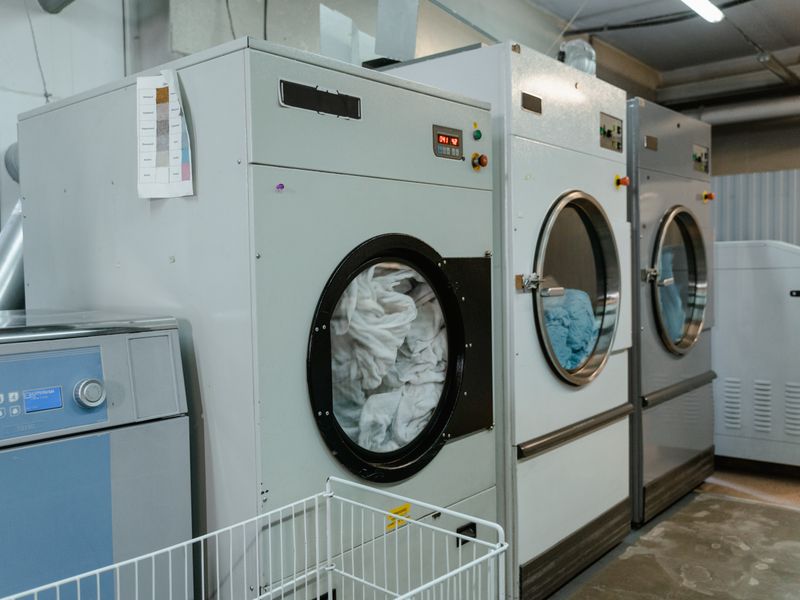
Dryer Fire Prevention for Bloomington, IL Homeowners
Dryer fire prevention is a straightforward topic — the risk factors are well understood, and the steps to reduce them are practical and achievable. This guide gives Bloomington homeowners a clear picture of what matters most.
Clean the Lint Trap Before Every Load
This is the most important daily habit for dryer fire prevention. A full lint trap restricts airflow and allows more lint to pass into the duct. Clean it before every load — not after, not occasionally, but before every single cycle. This one habit meaningfully reduces the rate at which lint accumulates in your duct and keeps your dryer operating at its intended airflow levels.
Schedule Annual Professional Dryer Vent Cleaning
The lint trap does not catch everything. Fine lint passes through and accumulates inside the vent duct year after year. Annual professional dryer vent cleaning removes this buildup before it reaches levels that create fire risk. For Bloomington households with higher laundry volume, every six months is appropriate. Professional cleaning also includes an inspection that catches other risk factors like inappropriate duct materials.
Check Your Duct Material
If your dryer is connected with flexible foil or plastic duct — the accordion-style material common in older installations — consider having it replaced with rigid metal duct. Flexible plastic duct is a fire hazard; it catches more lint, kinks easily, and burns. Rigid aluminum or galvanized steel duct is the correct material for dryer exhaust and is significantly safer.
Do Not Leave the Dryer Running Unattended
Avoid running your dryer when no one is home or when everyone in the household is asleep. Most residential fires happen when they cannot be detected and responded to quickly. Running the dryer while someone is awake and home — even just in another room — dramatically increases the chance that a problem is noticed early.
Keep the Area Around the Dryer Clear
Maintain clearance around your dryer. Do not store flammable materials — fabric softener sheets, cleaning products, cardboard boxes — near the dryer or directly on top of it. The dryer generates heat, and materials stored nearby can become a secondary ignition source if something goes wrong.
Check the Exterior Vent Cap Regularly
Walk around outside your home periodically and check the exterior dryer vent cap. Confirm the flap opens while the dryer runs. Clear any lint, debris, bird nests, or wasp nests that accumulate around or inside the cap. An obstructed exterior cap creates backpressure in the duct even when the interior duct is clean.