What Determines Dryer Vent Cleaning Cost
Dryer vent cleaning cost in Bloomington, IL varies based on several practical factors. The most significant are the length of the duct run, the number of bends and elbows, access difficulty, and whether the exterior vent cap requires attention. A straightforward residential vent — short run, minimal bends, accessible from both ends — costs less than a long commercial duct routed through multiple floors with a rooftop termination.
Additional factors include the condition of the duct itself. A duct that has not been cleaned in several years and has heavy lint accumulation takes more time and effort than one maintained on a regular schedule. Bird or pest nests add time and may require cap replacement. Any duct repairs or replacements needed are separate from the cleaning service.
What a Professional Visit Includes
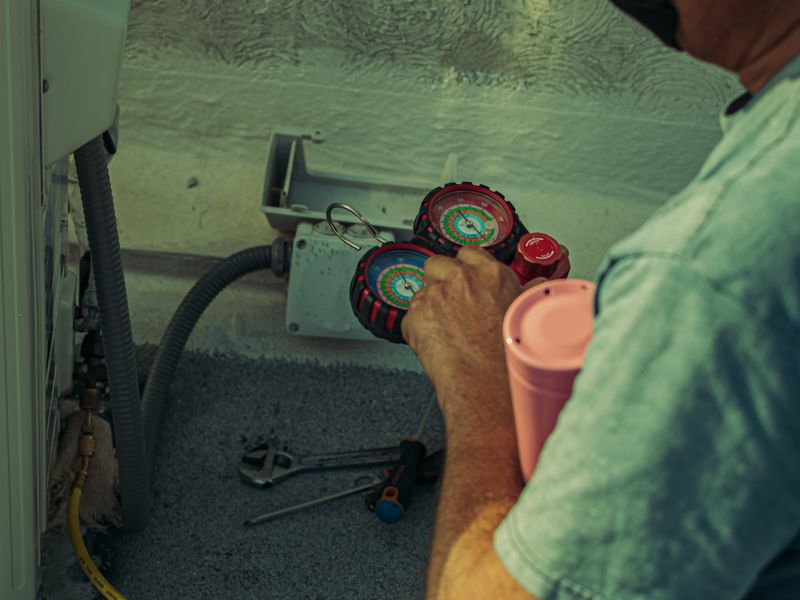
A proper professional dryer vent cleaning service in Bloomington includes more than just running a brush through the duct. The service visit should include an inspection of duct material and condition, airflow measurement before cleaning begins, the cleaning itself using a rotary brush system sized for your duct diameter, and a post-cleaning airflow measurement to confirm the result. The exterior vent cap should also be inspected and cleaned as part of the service.
Be cautious of extremely low quotes that do not include airflow testing or inspection — those services may be incomplete and leave your vent only partially cleaned.
Why Annual Cleaning Is Cost-Effective
A blocked dryer vent forces your dryer to run longer cycles, consuming more electricity or gas per load. Over the course of a year, extended drying times add up to a meaningful increase in utility costs. Regular professional cleaning keeps the dryer operating efficiently and extends appliance life — making it a cost-effective investment beyond the obvious safety benefits.
- Prevents extended drying cycles that waste energy
- Reduces wear on the dryer motor and heating elements
- Avoids emergency service calls for severe blockages
- Protects against dryer fire risk — the leading cause is lint buildup
Related Pages