Step 1: Visual Assessment
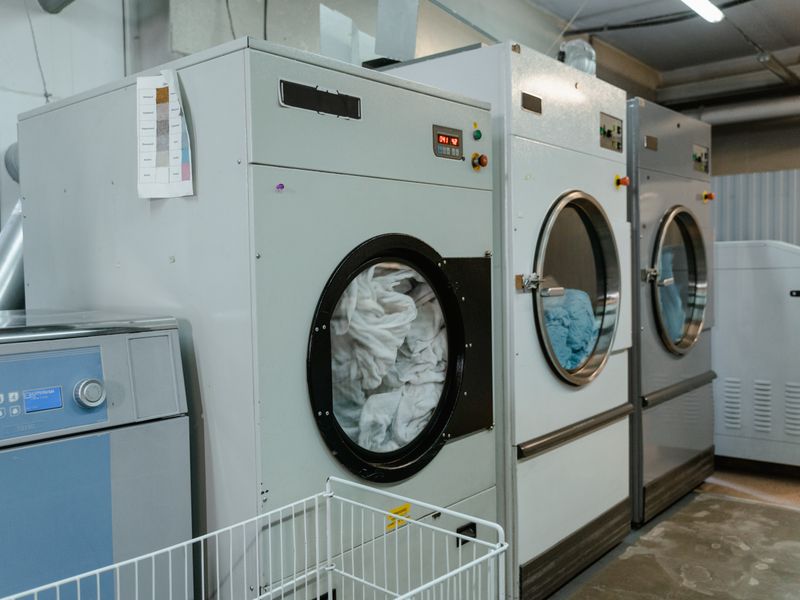
A professional dryer vent inspection begins before any equipment is used. The technician inspects the visible portions of the duct system — the connection at the dryer, the duct entry point into the wall, and if accessible, the routing path. This assessment identifies obvious issues: disconnected sections, visible crimping or crushing, improper duct material (white vinyl plastic is prohibited), and any visible lint accumulation at connection points.
Step 2: Exterior Cap Inspection
The exterior vent cap is inspected from outside the home. The technician checks that the damper flap opens freely, confirms the cap is not blocked by nesting material, lint buildup, or damage, and verifies the cap style is appropriate for the installation. Bird nests and wasp nests are commonly found during this portion of the inspection.
Step 3: Airflow Measurement
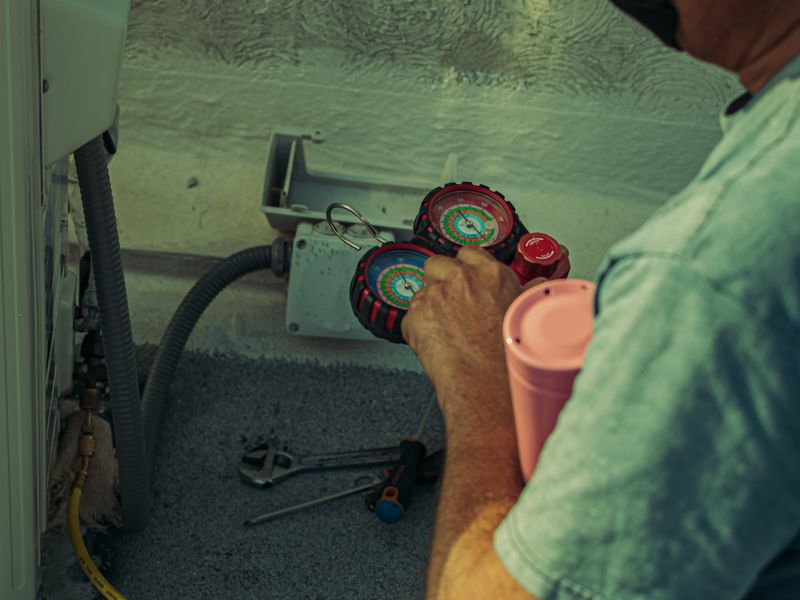
Before any cleaning begins, airflow is measured using a calibrated meter positioned at the dryer exhaust outlet. This measurement (in cubic feet per minute, or CFM) establishes a before-cleaning baseline and documents the degree of restriction present. Most properly functioning residential dryer vents should show airflow in the range of 130–160 CFM.
Step 4: Cleaning
A rotary brush system — with brush diameter matched to the duct size — is fed into the duct from the dryer end and run the full length to the exterior. The rotating brush dislodges lint from the duct walls, and a high-powered vacuum connected to the dryer end captures the loosened material. For ducts with access at both ends, the process may be performed from both directions for thoroughness.
Step 5: Post-Cleaning Airflow Measurement
After cleaning, airflow is measured again at the same position. The comparison between before and after readings documents the improvement and confirms the duct is now performing within acceptable range. This measurement is the objective verification that the service was effective.
Related Pages